

Bus Stop Dreaming
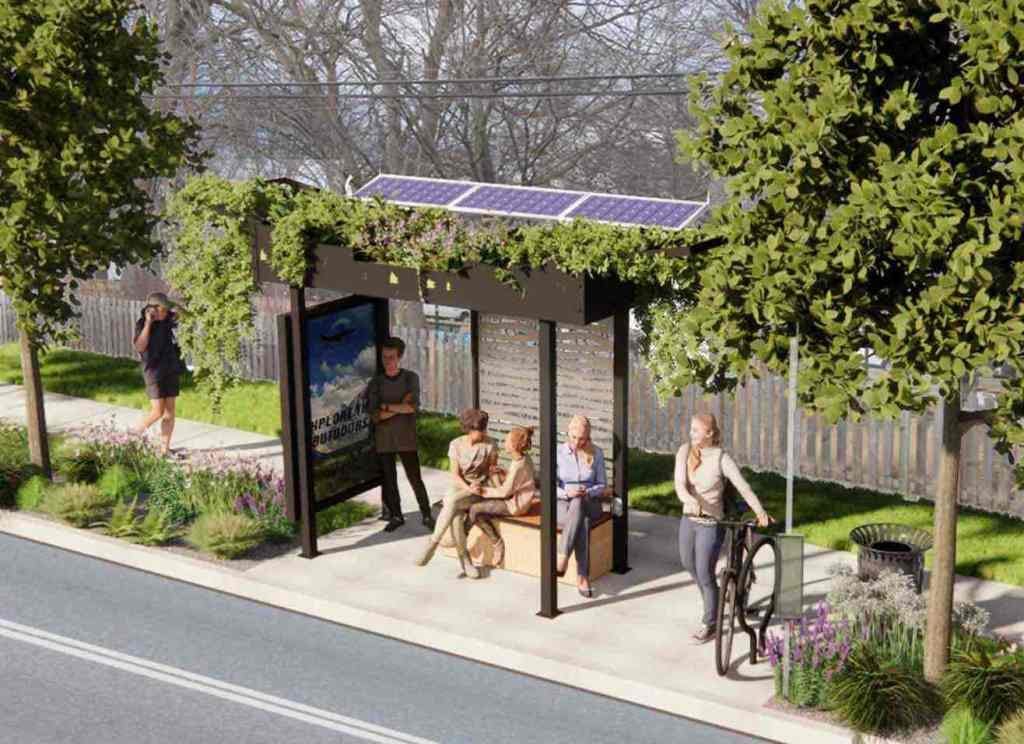
What if Lowell's bus stops looked like this?

I want to use public transit more often. I really do. I know that public transit is crucial to minimizing carbon emissions and protecting the environment. Not only that, but taking the bus can reduce traffic congestion.
But, like many people in Lowell, I just can’t seem to do it.
Recognizing this mismatch between my values and my actions, I am writing in an attempt to understand:
Why am I choosing to drive in Lowell when I could take the bus? What policies can be put in place to make it more likely that people like me will use public transit?
(It goes without saying that it is a tremendous privilege to be able to choose between driving and taking the bus. I hope that any improvements that I explore would improve everyone’s experience on the bus.)
There are dozens of factors that affect public transit ridership, and some of them are not even within the LRTA’s control. But today, today I want to focus on one particular issue that is within the LRTA’s control: the lack of bus stop infrastructure.
I’ll organize my ideas around three major themes: comfort, accessibility, and clarity.
Comfort
For the most part, when waiting for the bus in Lowell, people are required to stand outside, either in the rain, snow, or extreme heat. As far as I know, there are only a handful of covered bus stops, like this one.
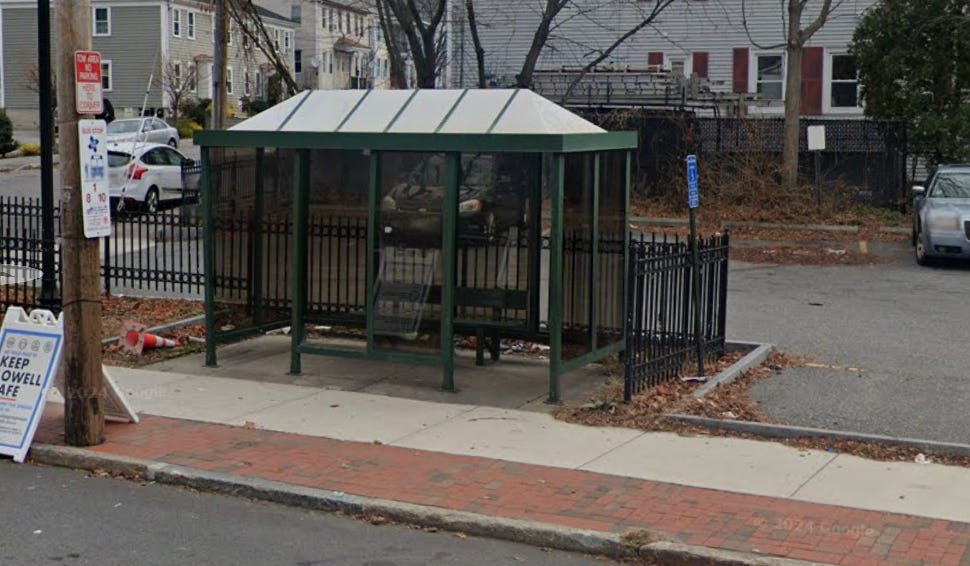
According to a 2025 report by the Northern Middlesex Council of Governments (NMGOG), “Out of 824 active bus stops, 51 (6%) provide shelter, while 773 (94%) do not.”
If we want people to ride the bus, we should make it comfortable to do so.
A 2020 study of bus stop amenities in Salt Lake City, Utah found that “providing shelters, seating, signage, and sidewalks” led to “a statistically significant increase in overall ridership” (p. 280).
Others in Lowell seem to recognize the need for improvements to our bus stops. In the 2024 Lowell Forward Plan, Community Organizer Mercy Anampiu explained that “The city [..] needs enhanced public transportation infrastructure, with community groups advocating for improved bus stop signage, covered waiting areas, and seating” at bus stops (117).
As I read more of the Lowell Forward Plan, I was happy to learn that this feedback was taken seriously.
One of the goals of the Lowell Forward Plan was to "collaborate with LRTA to create a capital improvement plan to improve bus stop accessibility and comfortability. Study quality of bus stop amenities and their distribution across the city" (p. 122).
I am hopeful that with continued attention, and additional funding from the millionaire’s tax, the LRTA can build bus shelters so that people are more comfortable when they take the bus.
Accessibility
There are two elements of accessibility that I want to focus on: sidewalk access and seating.
According to the recent NMCOG report, 23% of Lowell’s bus stops had “very poor walkability.” This label was assigned to stops that were missing all of the accessibility criteria they were looking for.
For example. I used to live in Pawtucketville, where my closest bus stop was on Meadow Road.
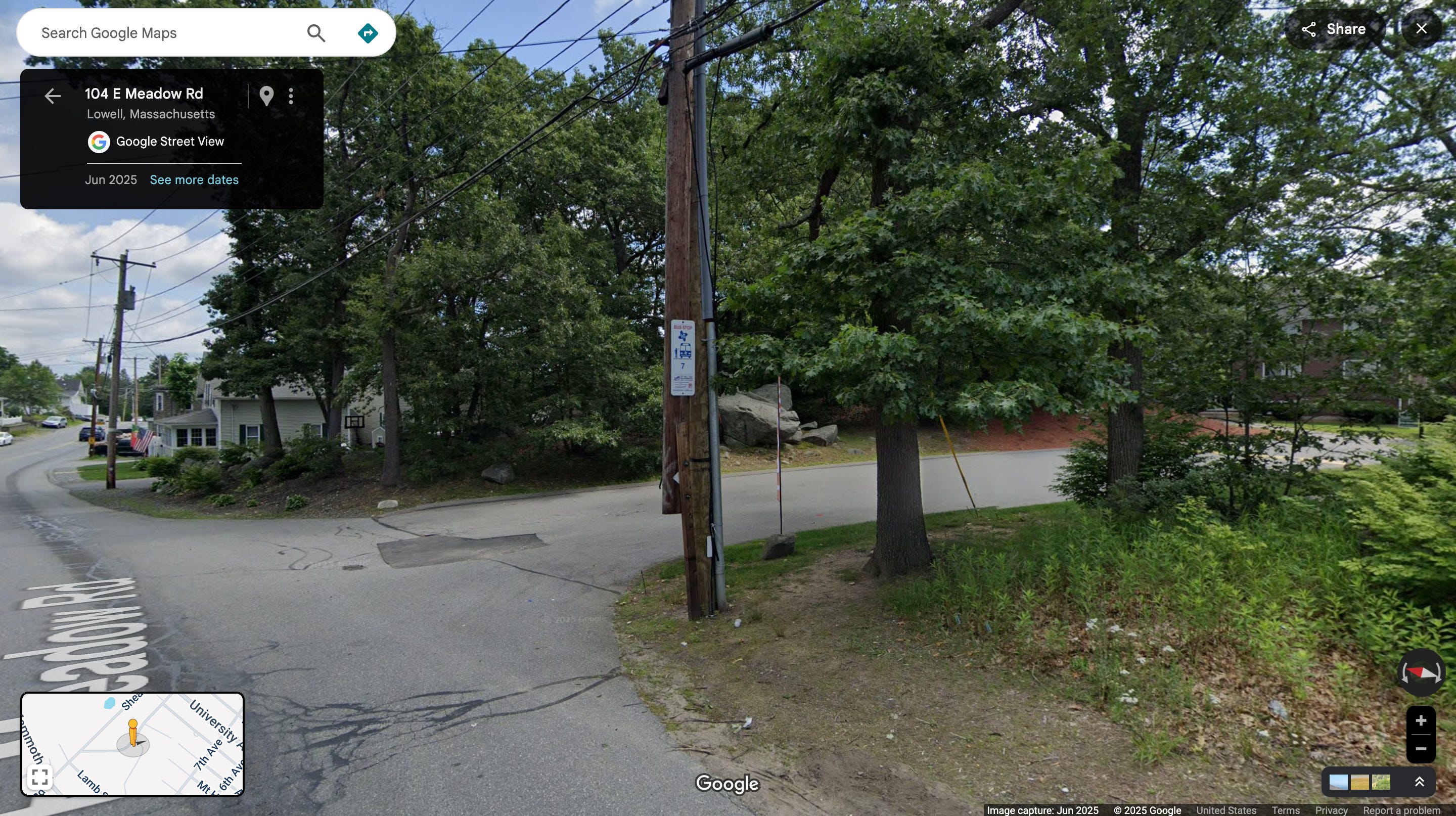
You’ll see that there is no sidewalk, no crosswalk, no place to sit, and no cover from the elements. Not only is this inconvenient, but it is also not accessible for people who use wheelchairs.
I would love to imagine a future bus stop at this very location with wide sidewalks, a crosswalk nearby, and a small shelter with a bench.
Clarity
Even when there is bus stop infrastructure, it can sometimes be unclear when the bus will come, or, in some cases, whether it will come at all.
The LRTA took a major step in clarity by creating the online LRTA System Map, which lets riders know where bus stops are located.
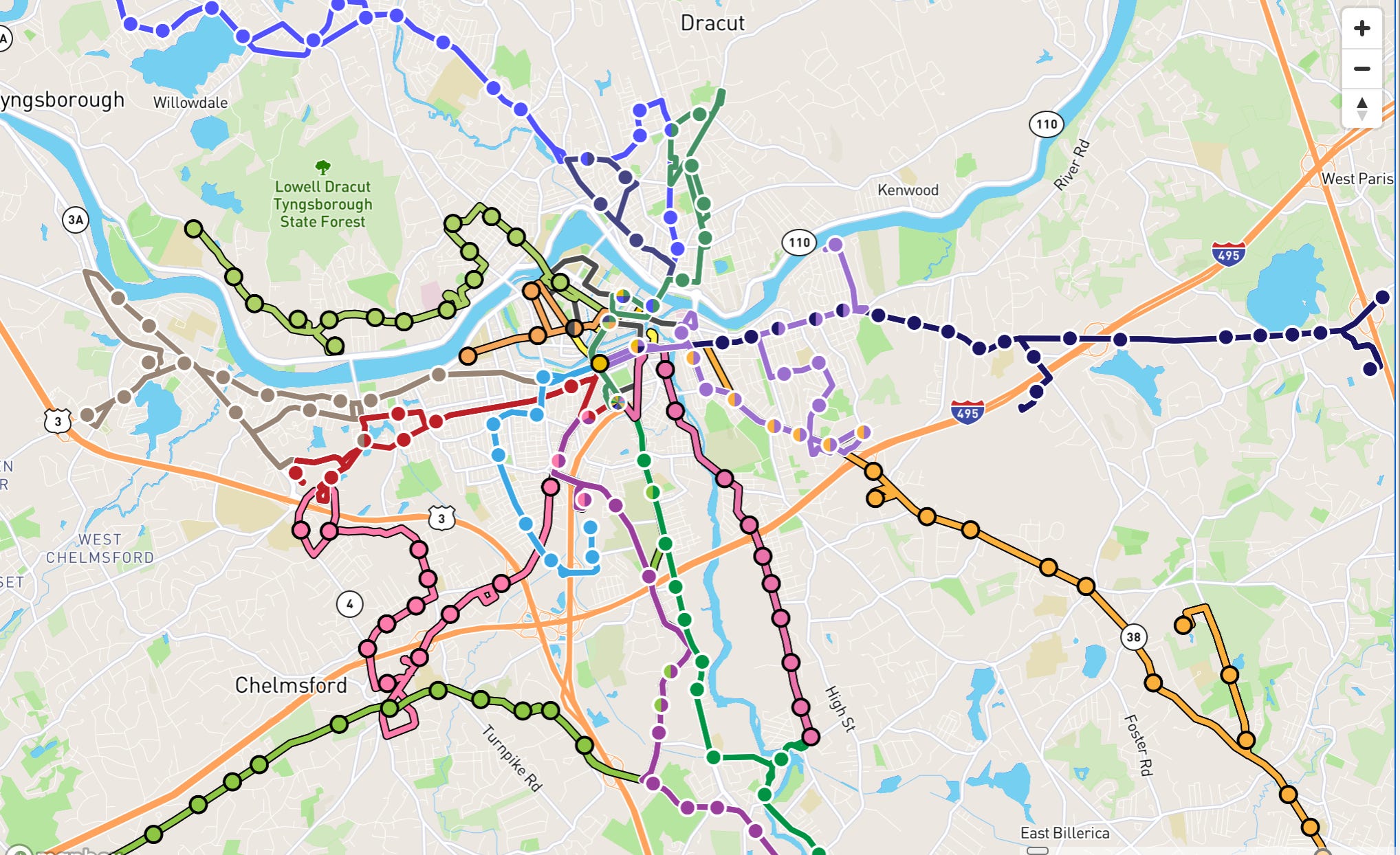
While this information that can seem very clear on the digital map, in the real world, there is still room for improvement. A 2025 report from the Northern Middlesex Council of Governments (NMGOC) found that 18% of bus stops on the System Map lack a physical bus stop sign.
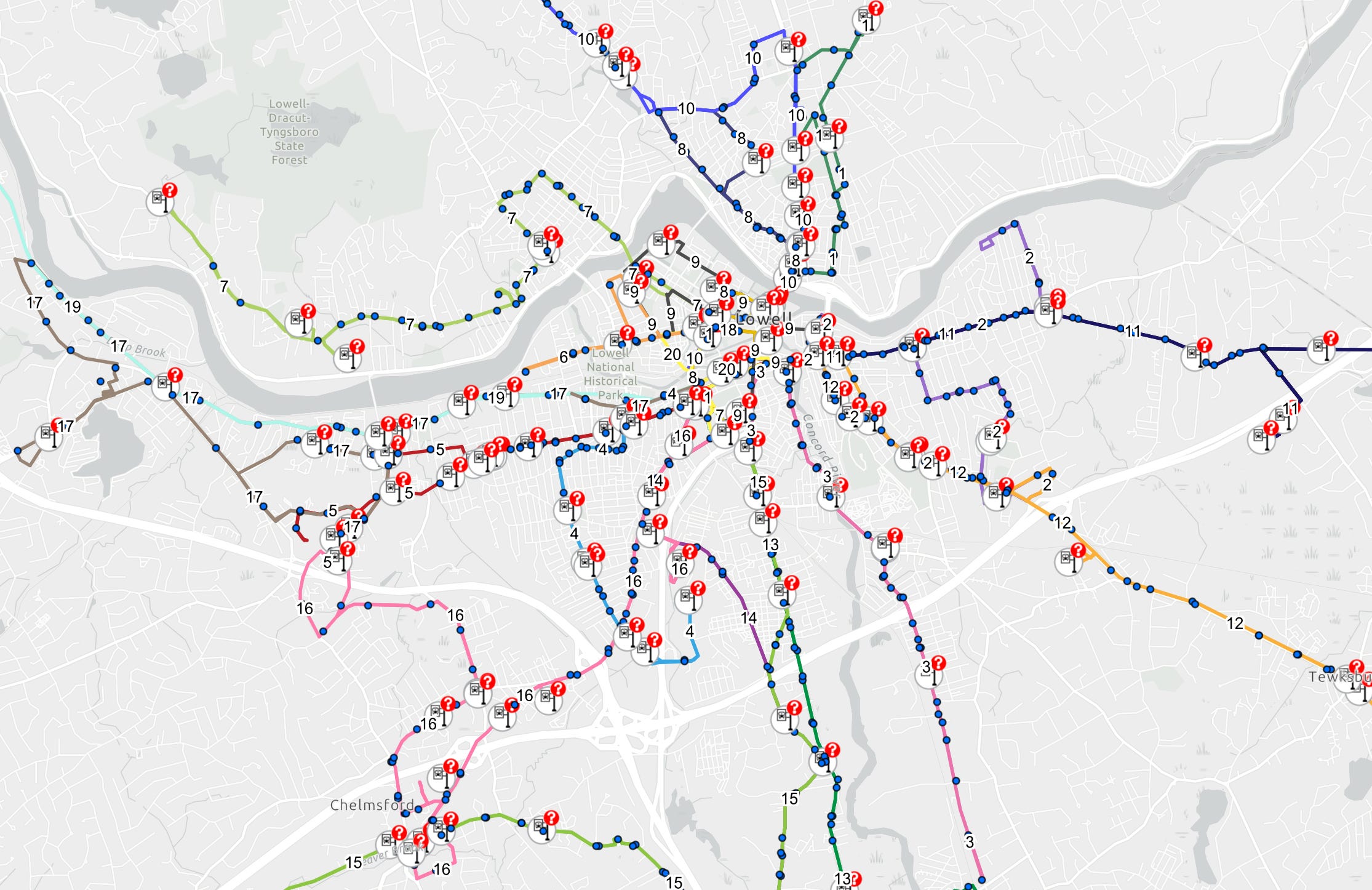
For people like me, that often means that, about fifteen minutes before a bus is scheduled to come by, I stand somewhere vaguely near the road and wait around until I can hopefully make eye contact with the driver.
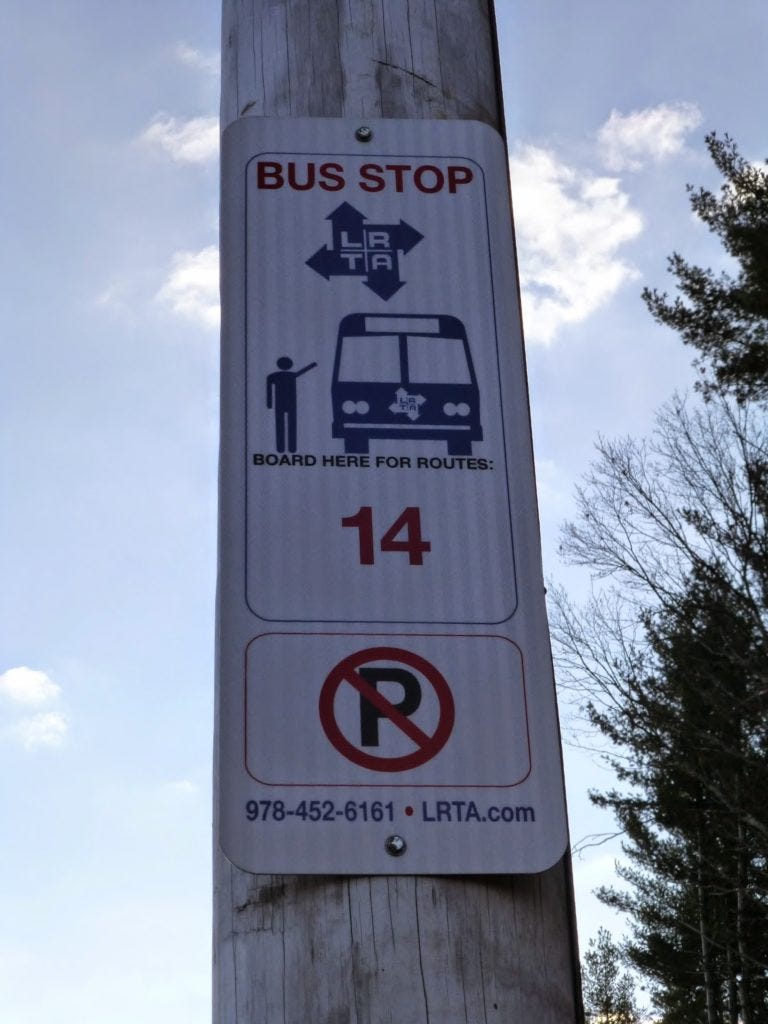
In my opinion, an obvious first step to providing more clarity at bus stops would be to expand signage, similar to signs already posted around much of the city.
An even better step would be to provide information about when the bus will come. That might include a list of bus arrival times. It might also include real time information about bus arrival times.
A 2021 study found that Real Time Information Systems were a “key amenity” to increase ridership (p. 6). Case studies in New York City and Chicago have had similar findings.
In July of 2024, the LRTA made a huge leap in clarity by launching an online real time bus tracker, which allows passengers to follow buses along their routes.
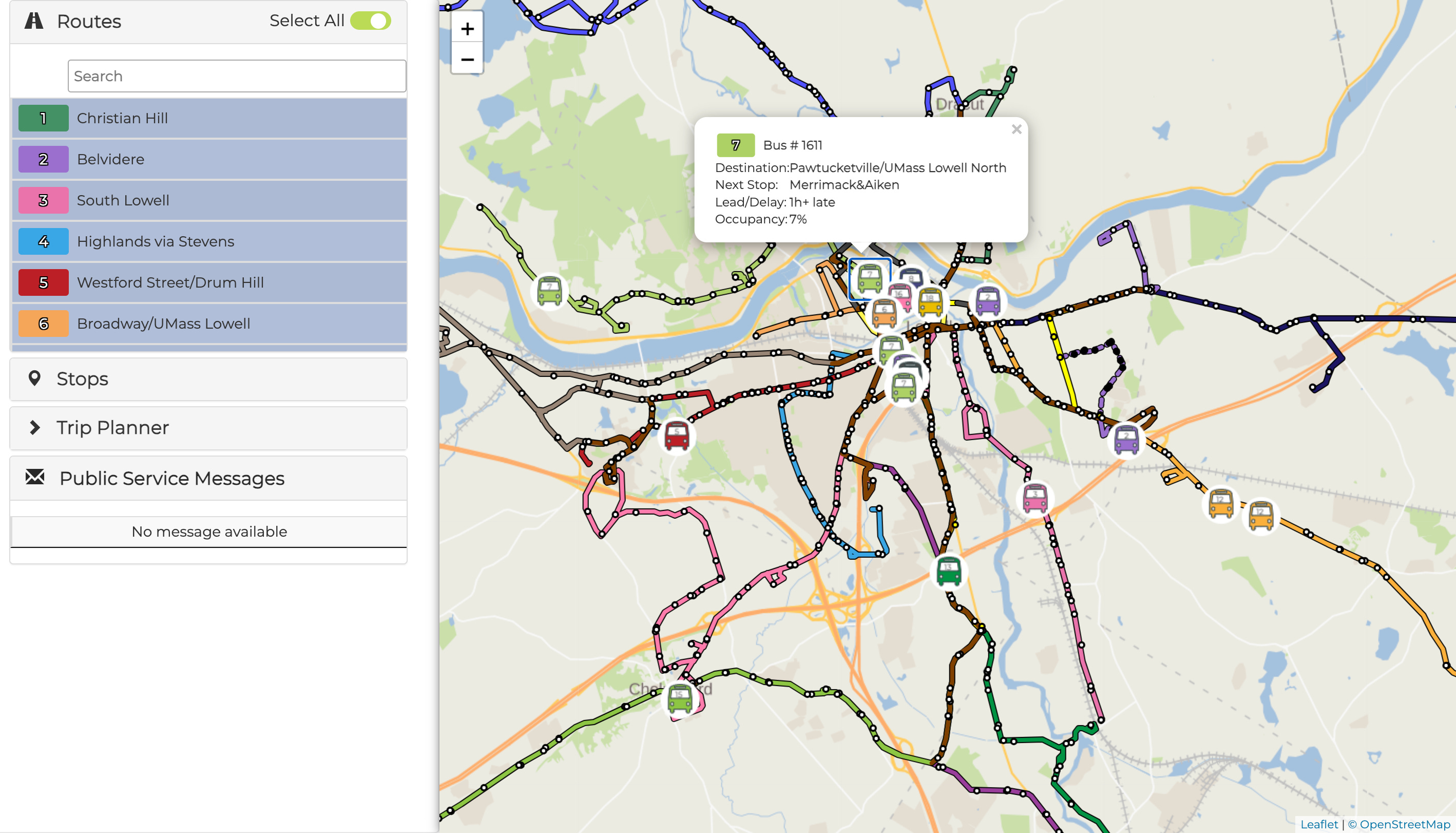
Unfortunately, in my experience, many people do not know about this amazing service.
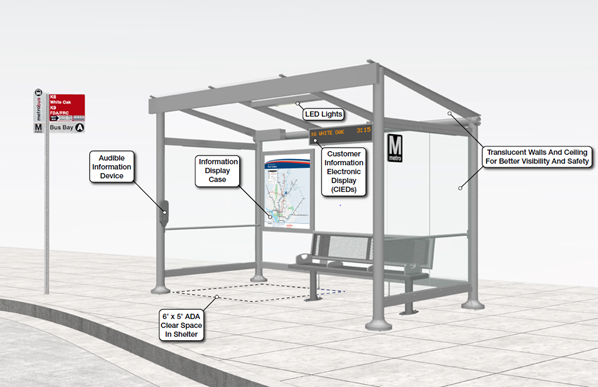
I would love for bus shelters to include a QR code to the tracker, or, better yet, a screen displaying real time information.
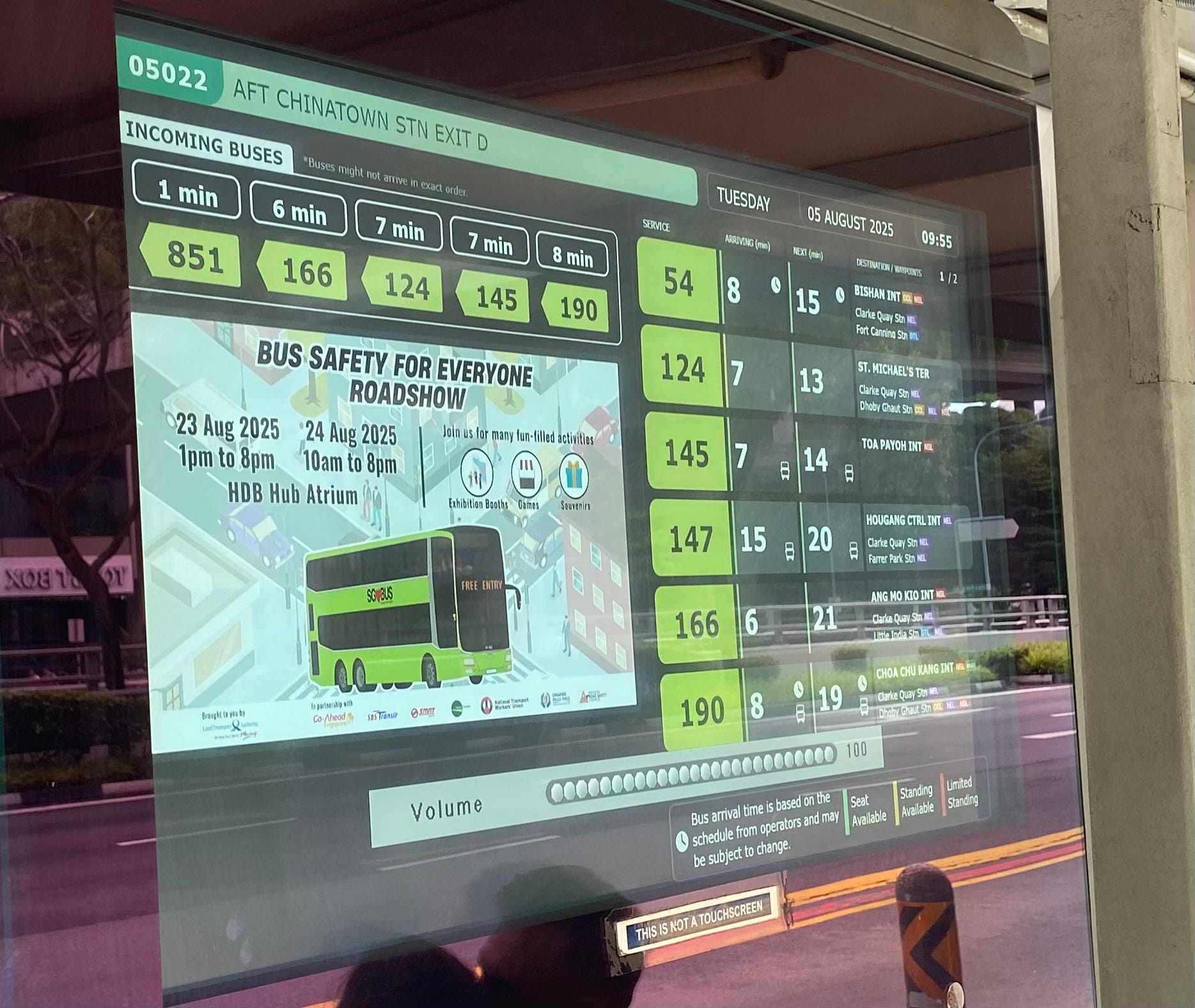
On my recent trip to Singapore, I was amazed at the level of information at bus stop shelters. See, for example the picture below. At the top left, the sign labels what bus was coming and how soon it will arrive. You’ll notice in the bottom right corner that the buses are even color coded to inform riders if there are available seats.
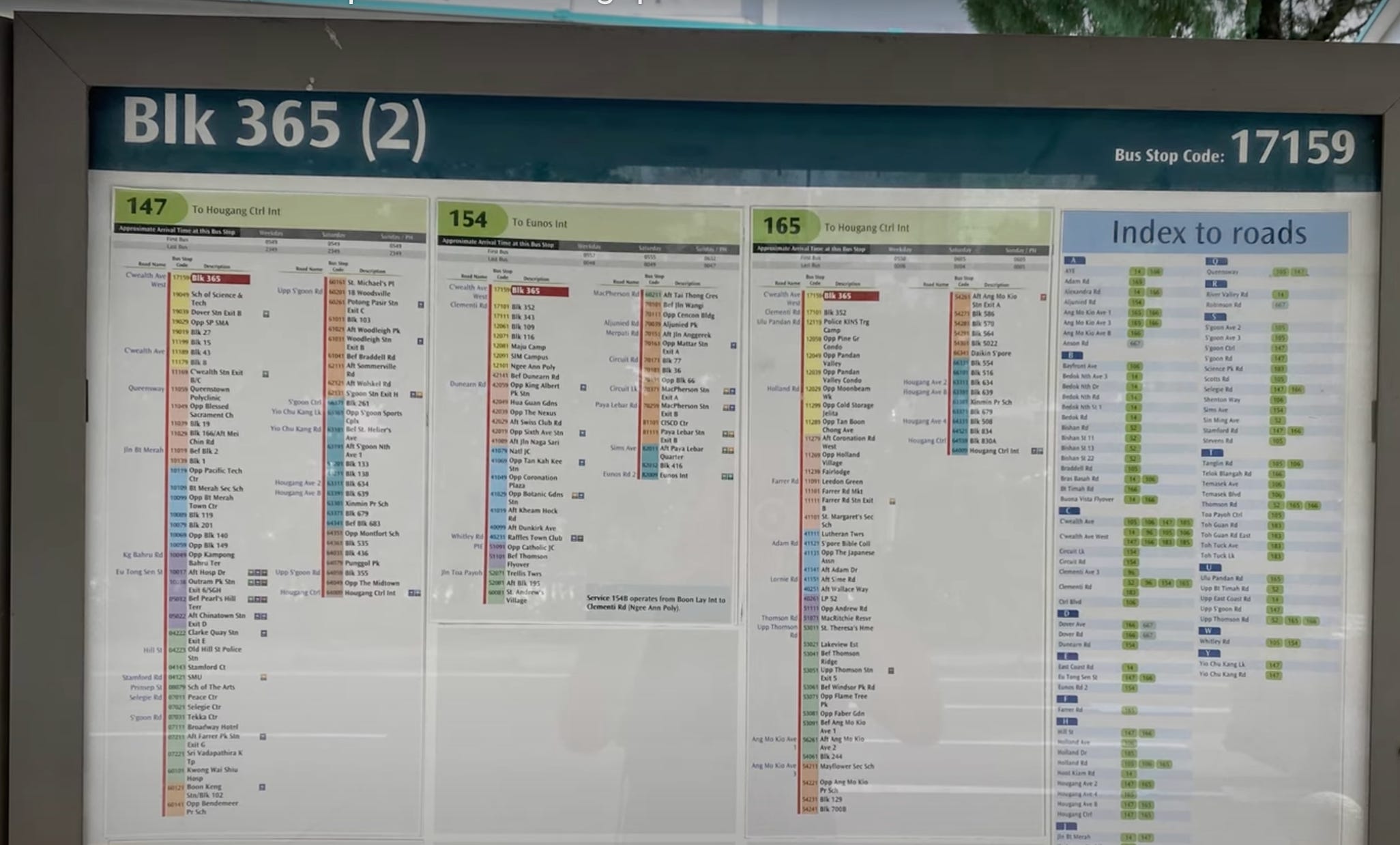
Bus stop signage could also provide a list of all bus stops on a specific bus line so that passengers can double check that they are on the correct line.
Joy
Let’s dream a bit. Bus stops can also be places full of community and joy.
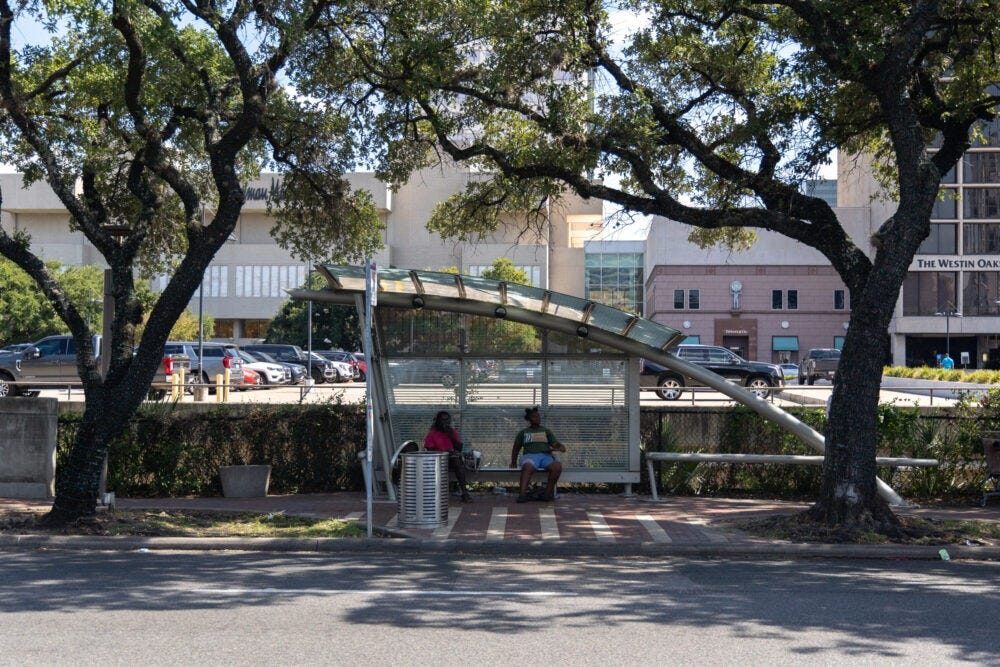
What if we followed Houston’s lead and planted a tree next to every bus shelter?
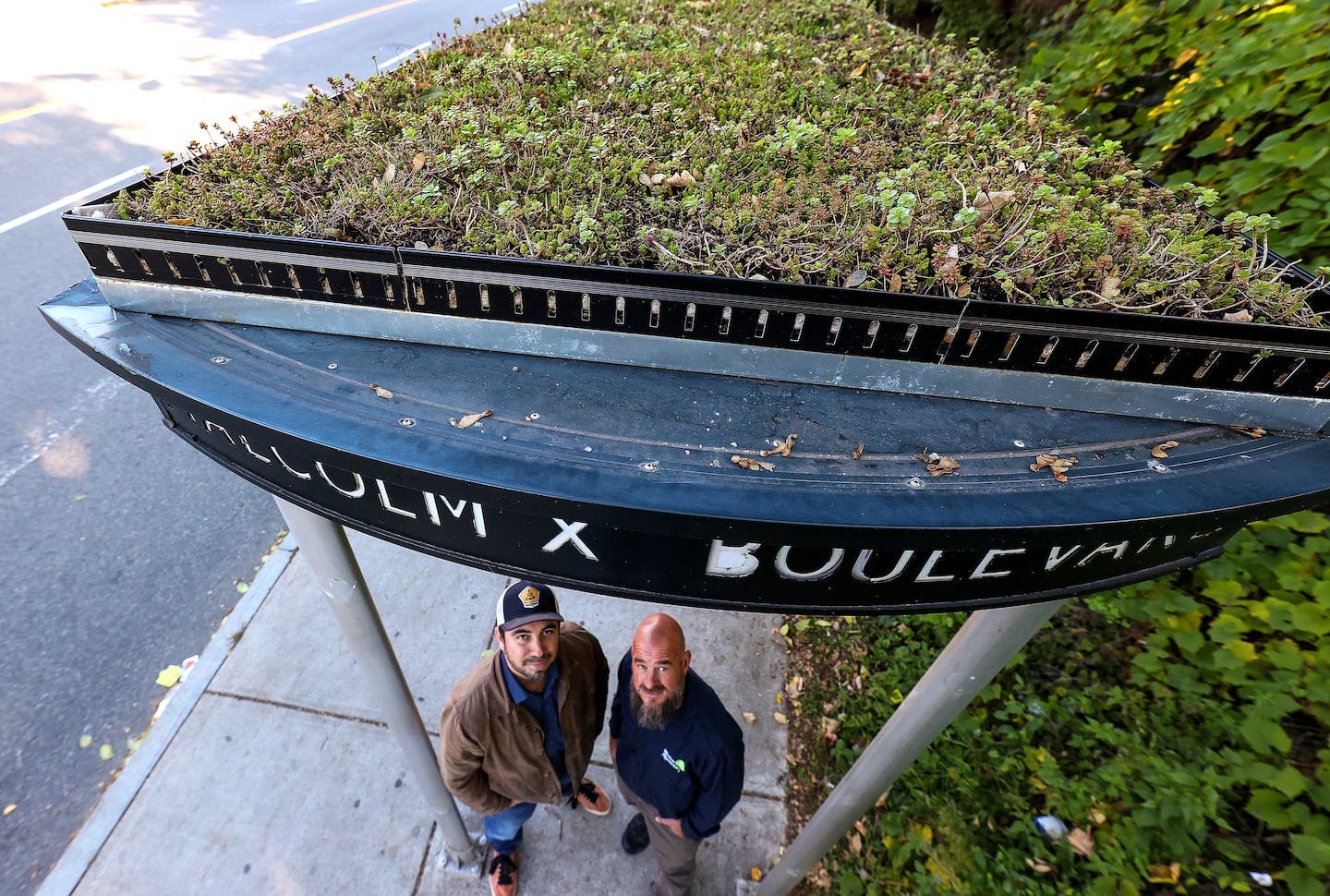
Or, what if we followed Boston’s lead and installed green roofs on our covered bus stops to reduce the heat island effect?
What if we looked to the University of Wisconsin-Madison, where bus shelters double as solar panel canopies?
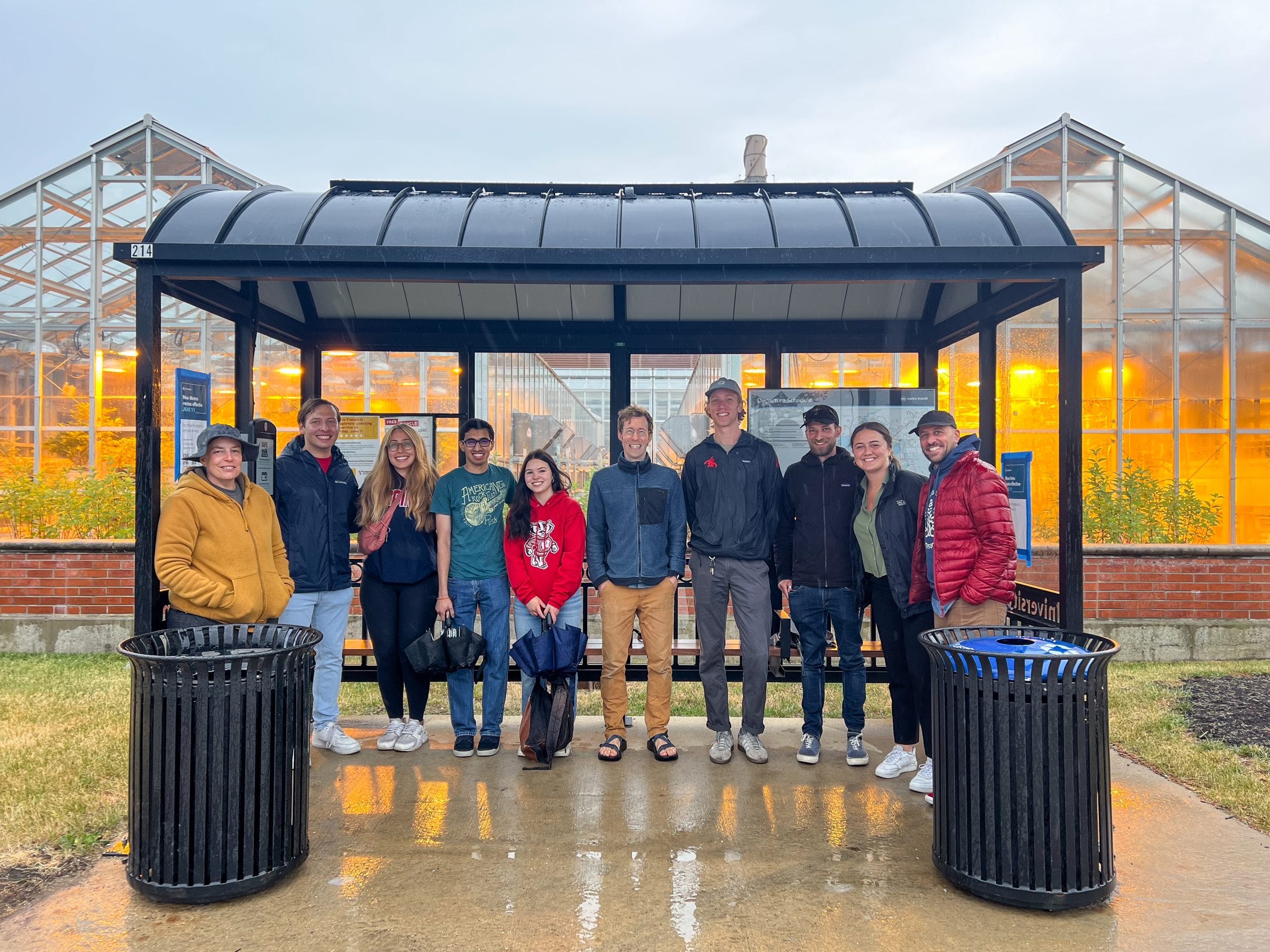
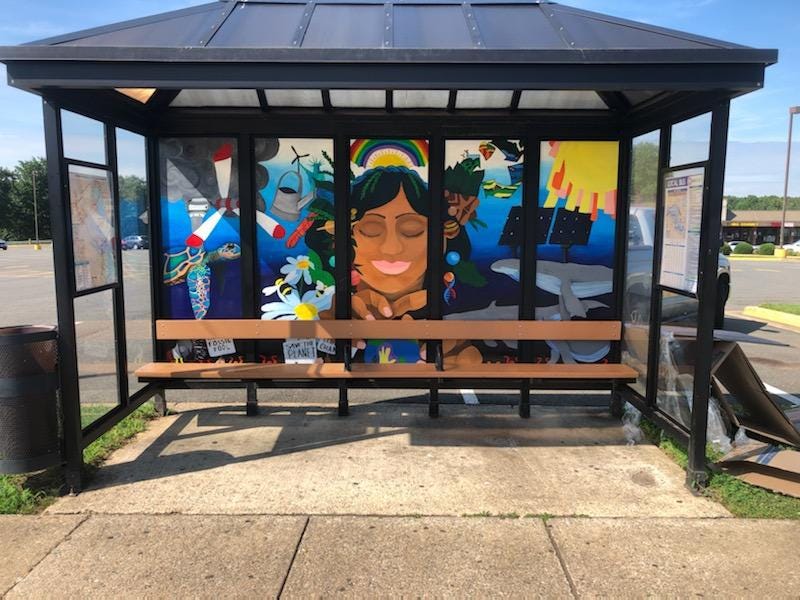
What if we made bus stops showcases for local artwork?
There is a lot to be excited about when it comes to building bus infrastructure.
Lowell deserves nice things. Let’s keep building them together.
Please feel free to reach out with ideas about how to improve public transit in Lowell.
Great read and not something I would have considered before!
You so nailed it. When I lived in NYC I used buses all the time, there was a sign where the bus stops, where it goes to, and information about when and how often it comes. Not to even compare it to bus and streetcar stops in Germany which always have a covered waiting area, with real time information displayed when the next bus or train arrives. Similar to what you showed about Singapore. Most European countries do that. One could dream ... any if those improvements in Lowell would make it easier to take a bus in Lowell. Even downtown there are many places with no clear signs, you basically have to guess and hope a bus comes by which then you have to flag down. Lots of room for improvements!